
Department of Human Anatomy
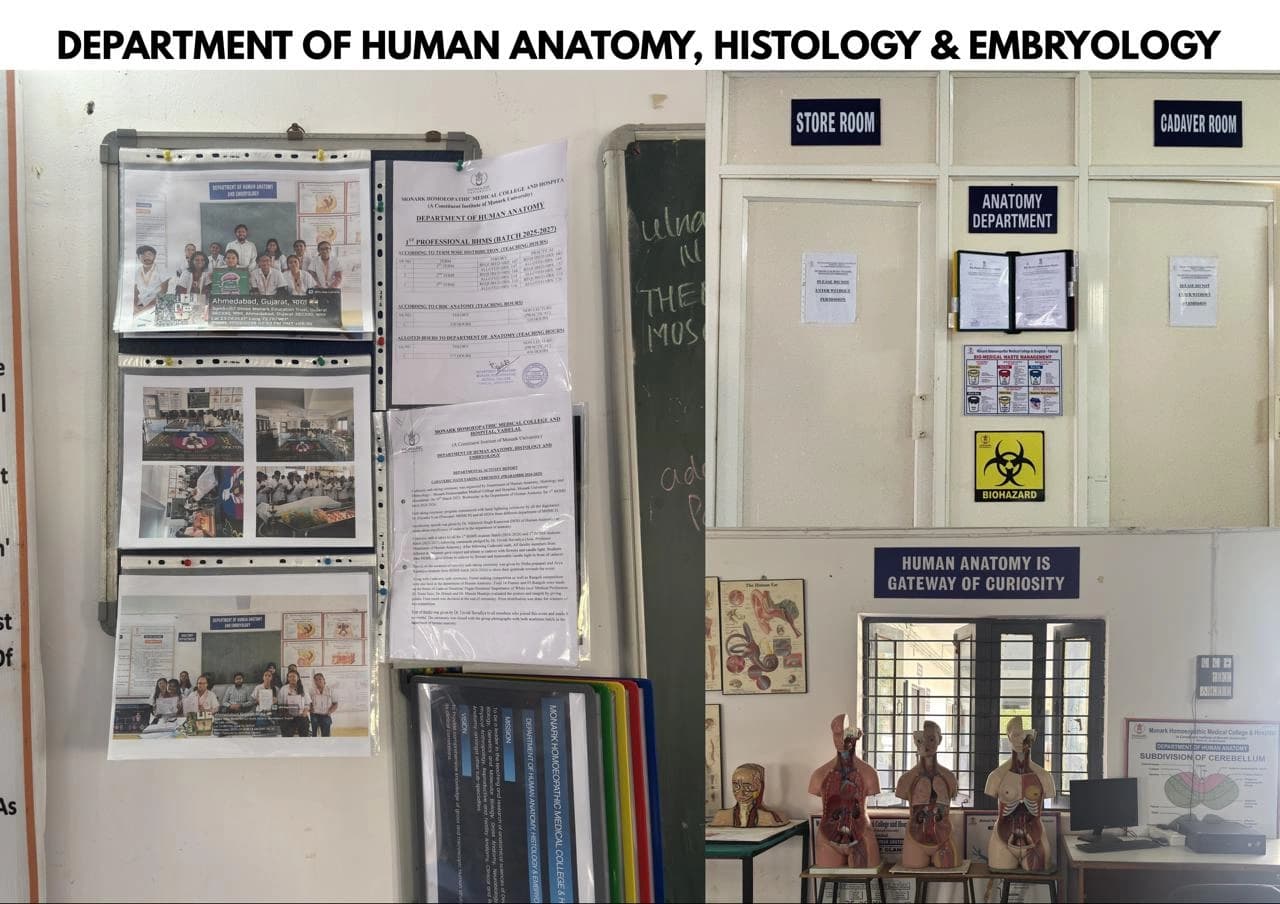
About Department
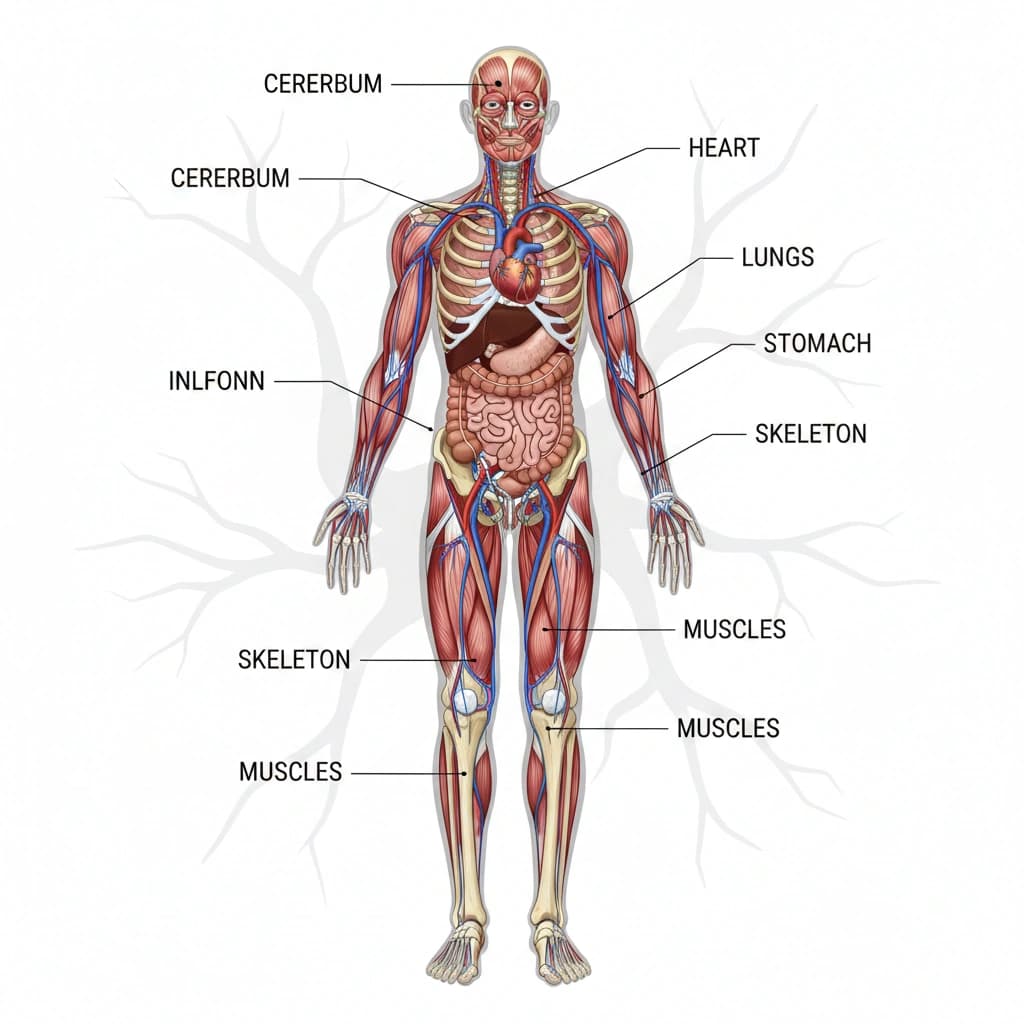
The Department of Human Anatomy deals with the scientific study of the structure of the human body and its various parts, including organs, tissues, bones, vessels, and systems.
Anatomy forms the foundation of all medical sciences and helps students understand the normal structure of the human body at both macroscopic and microscopic levels.
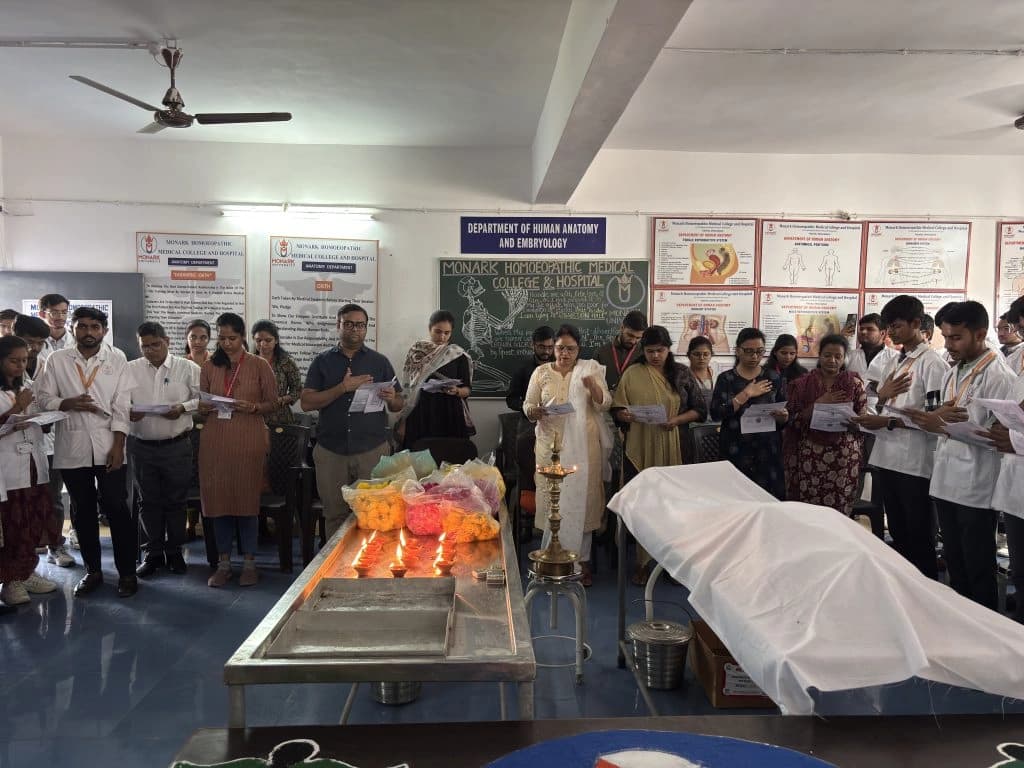
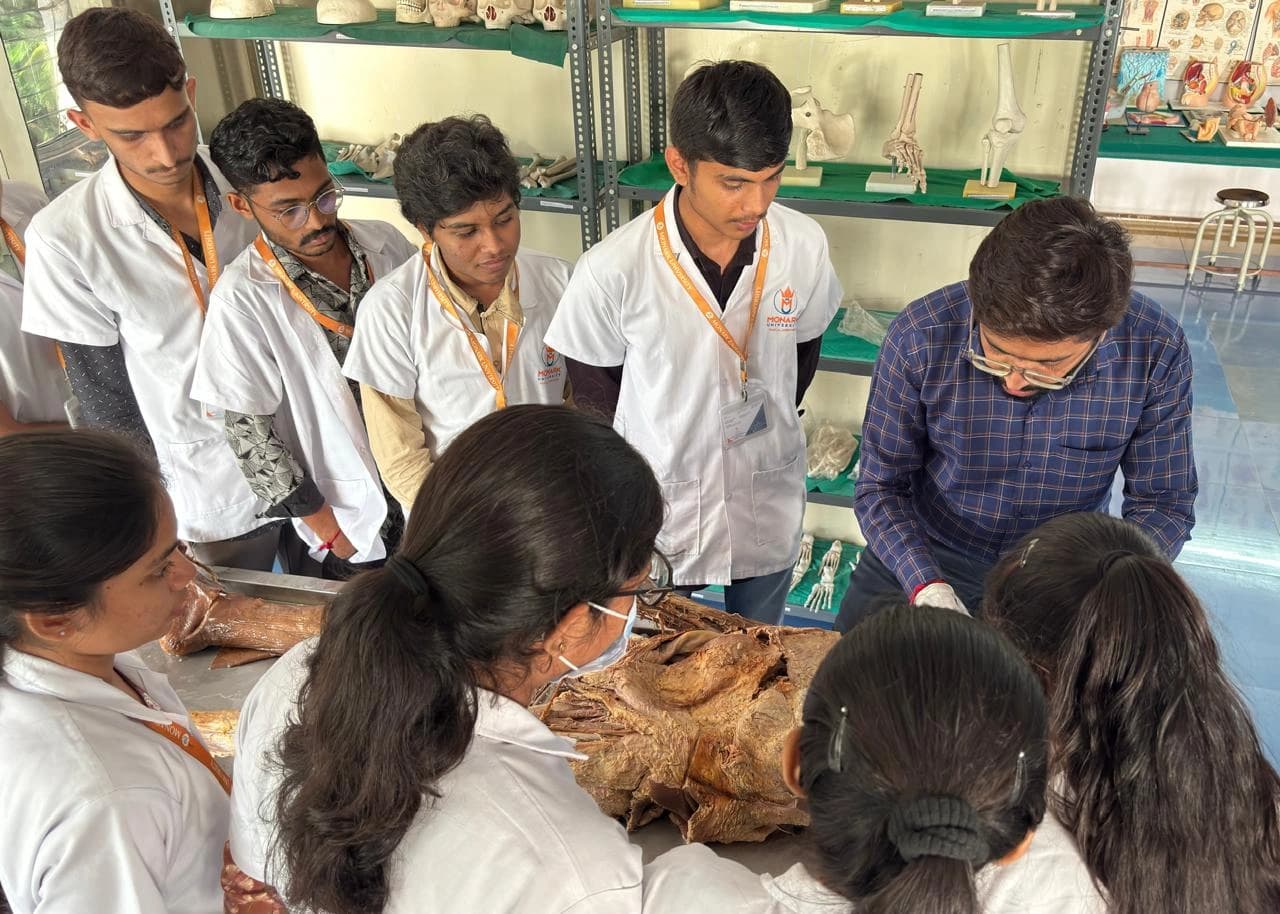
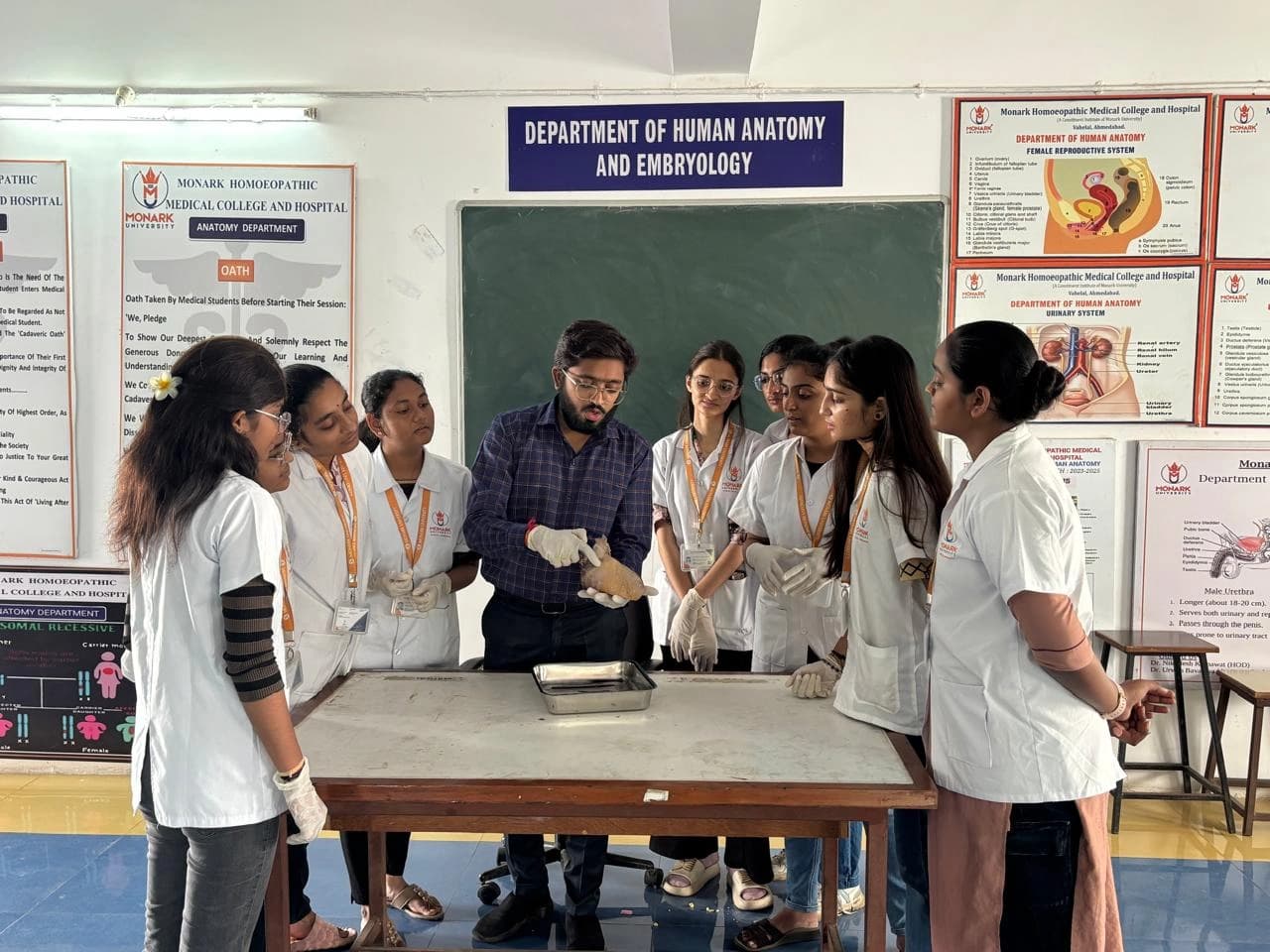
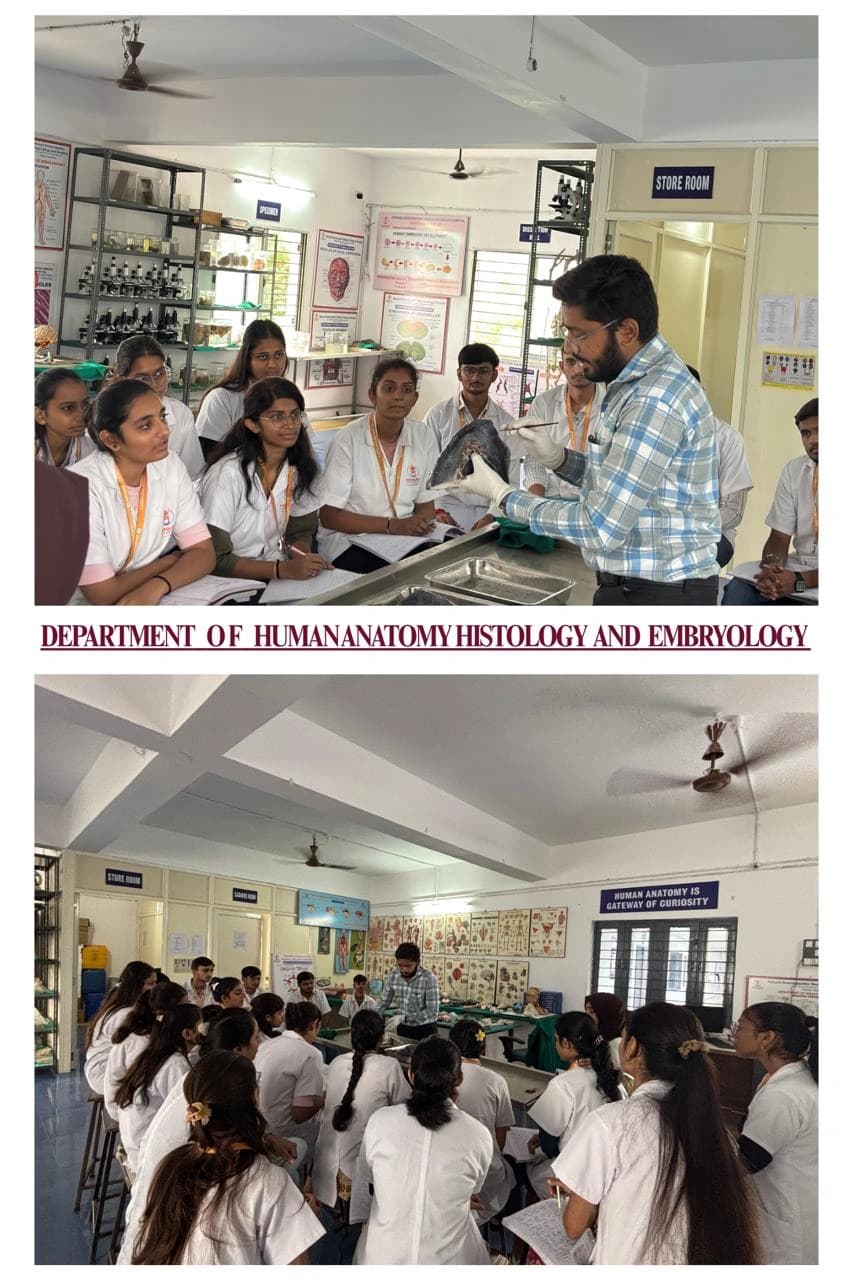
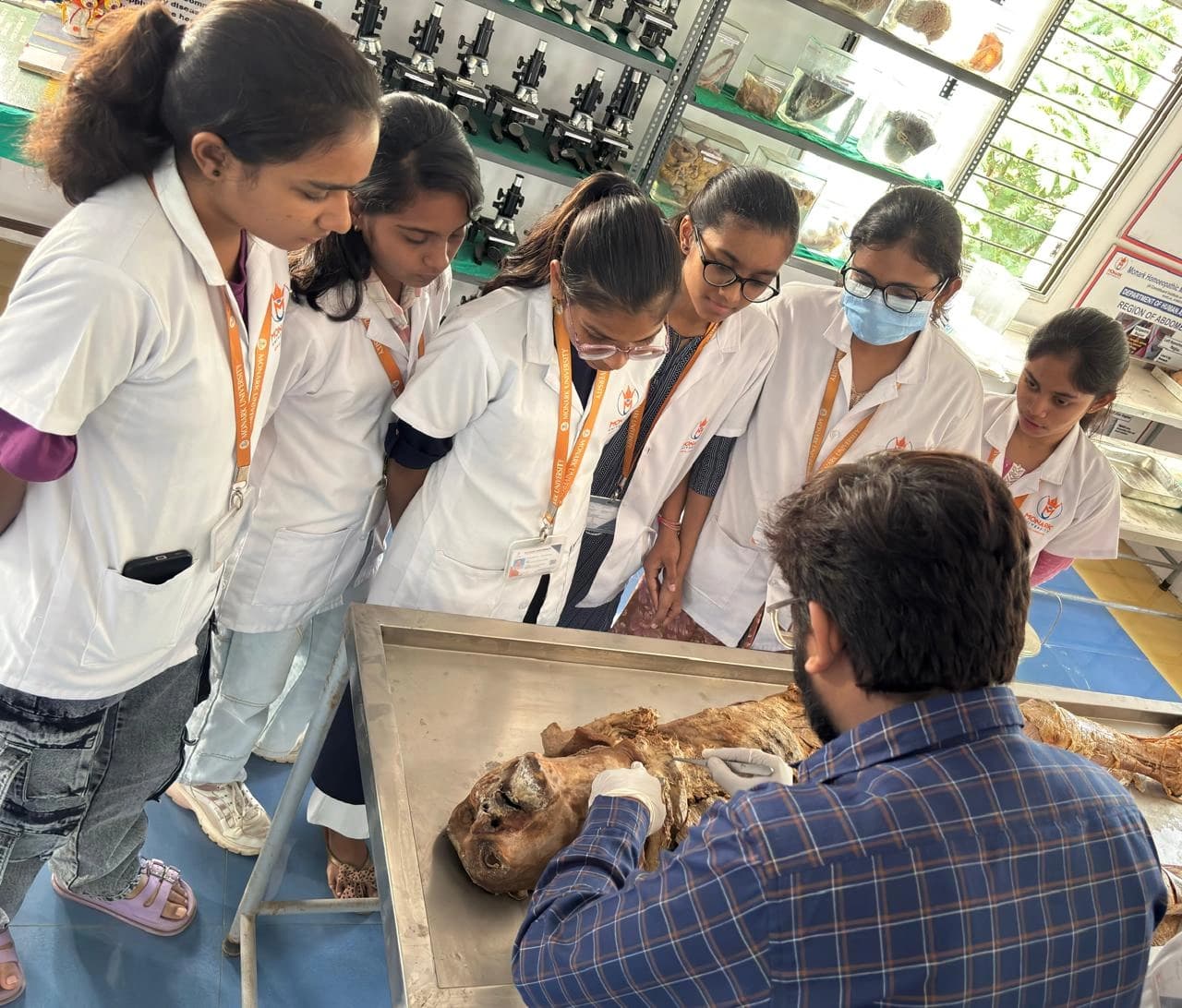
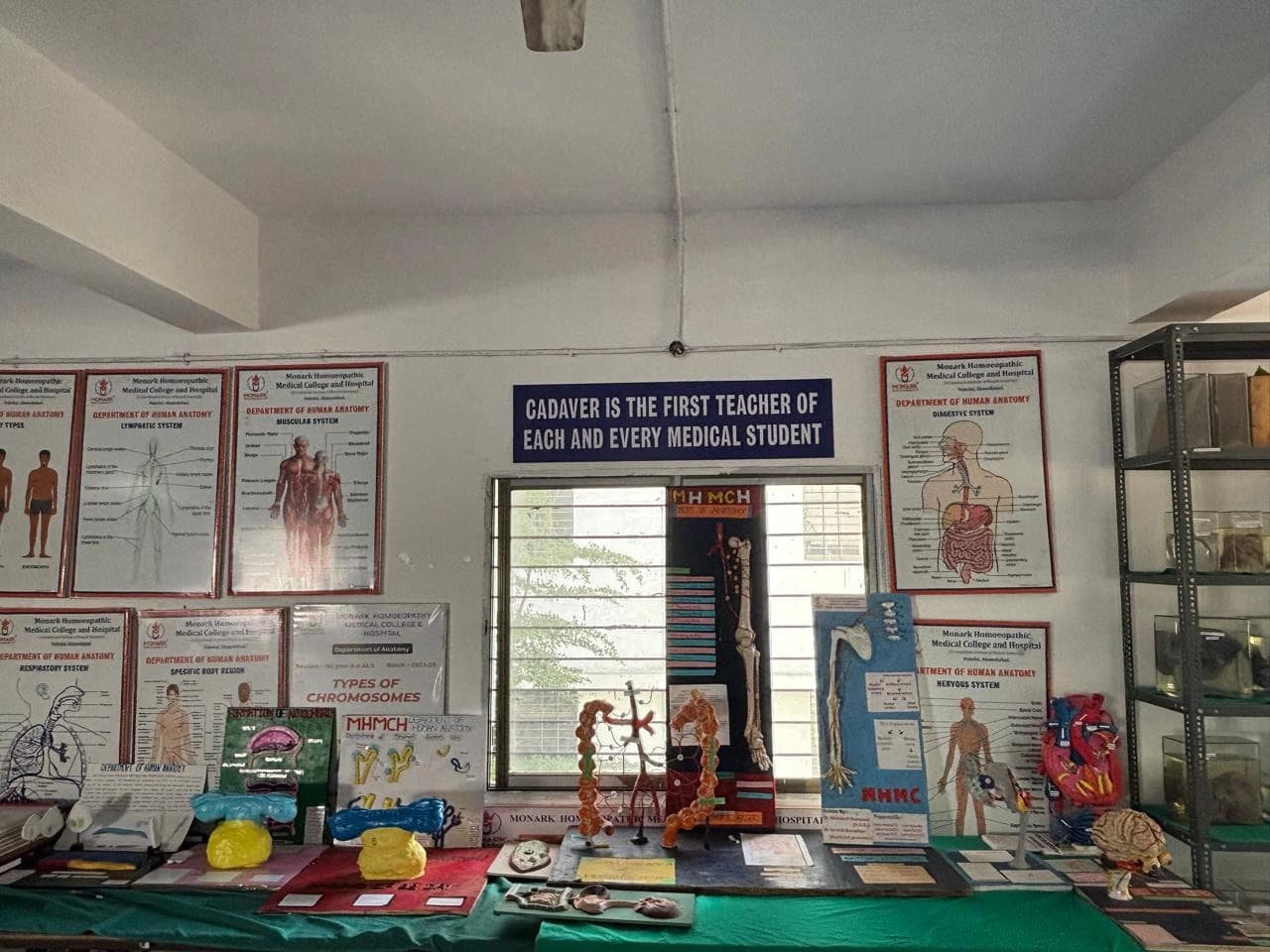
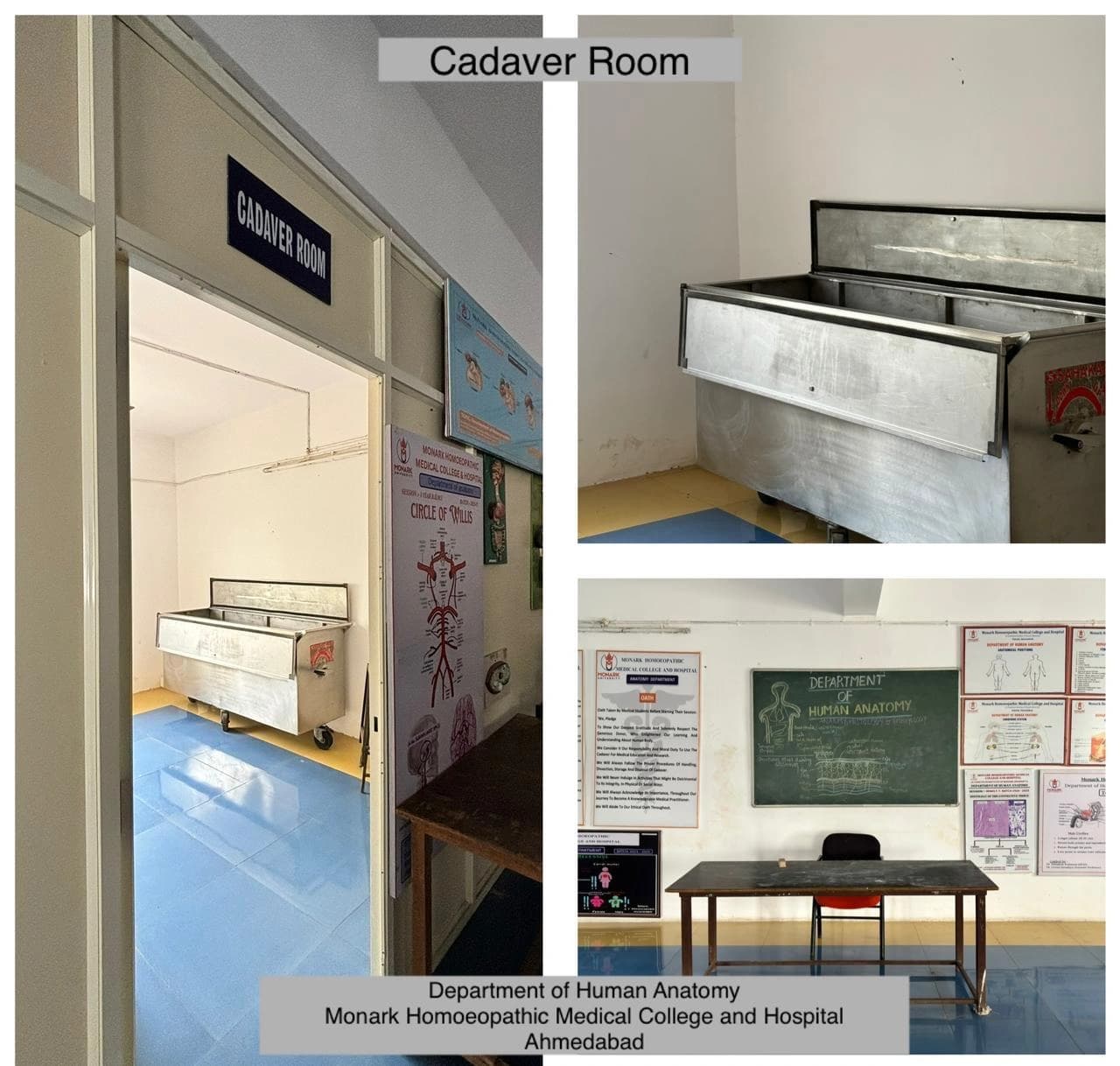
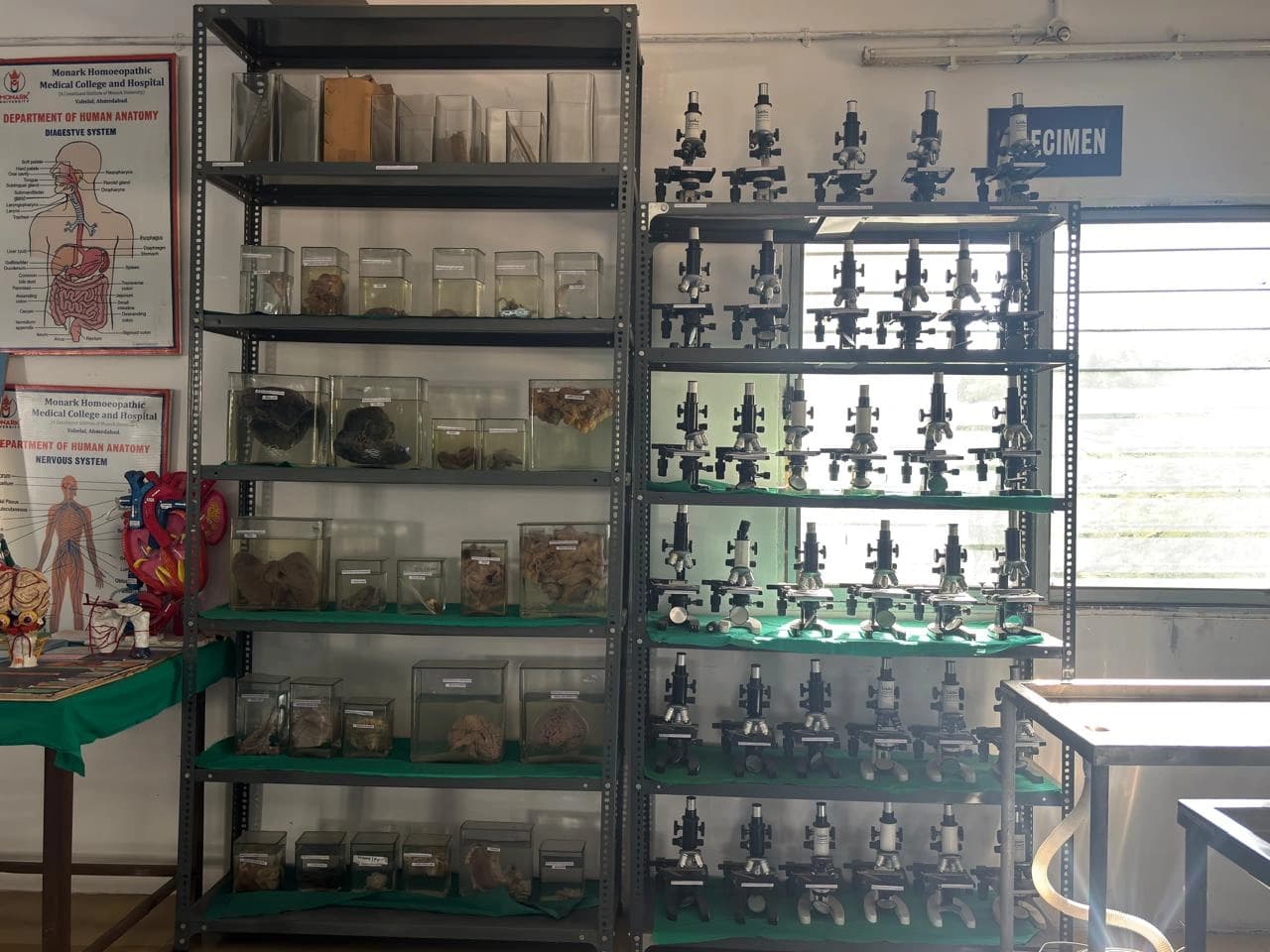
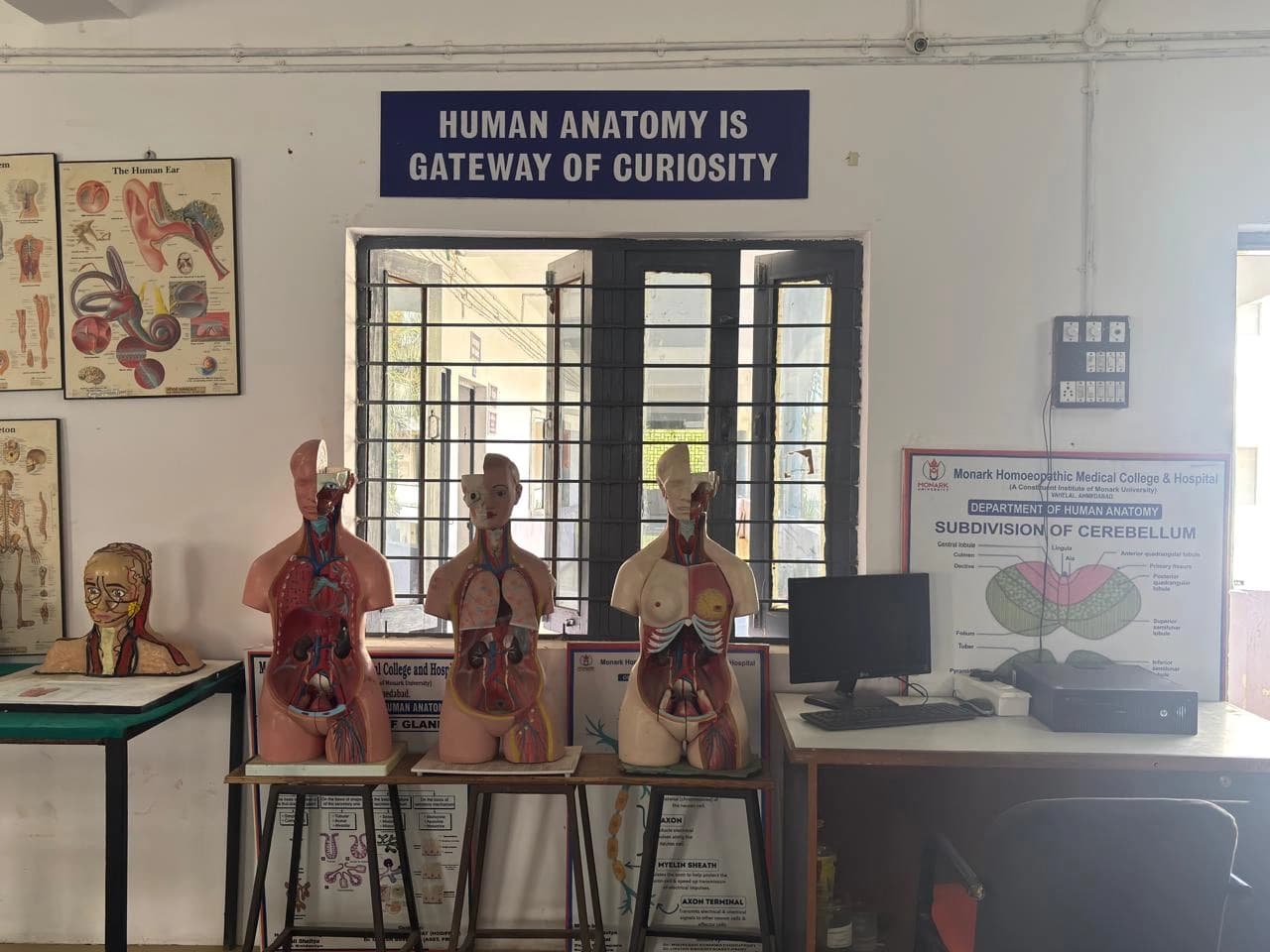
Teaching is carried out by experienced faculty members supported by well-equipped laboratories and modern learning resources. Students learn macro-anatomy through preserved specimens, models, charts, and cadavers, while histology is taught using prepared slides and advanced microscopes.
The department also houses an excellent collection of bones for the study of osteology and teaches embryology to explain human development from conception to birth.
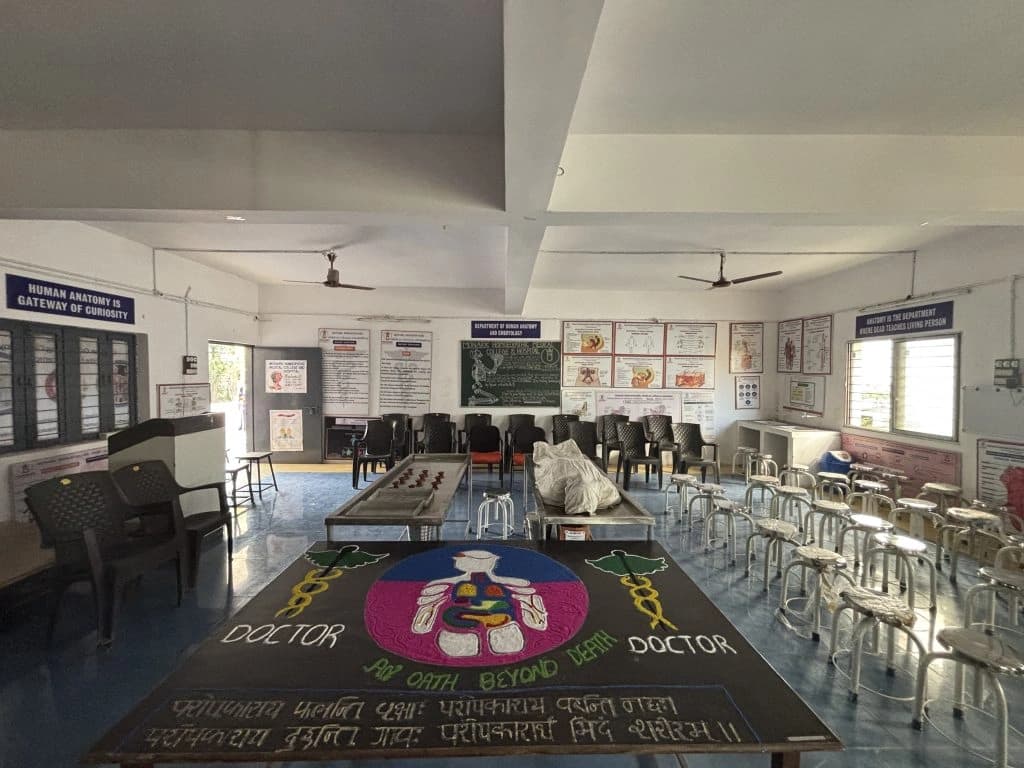
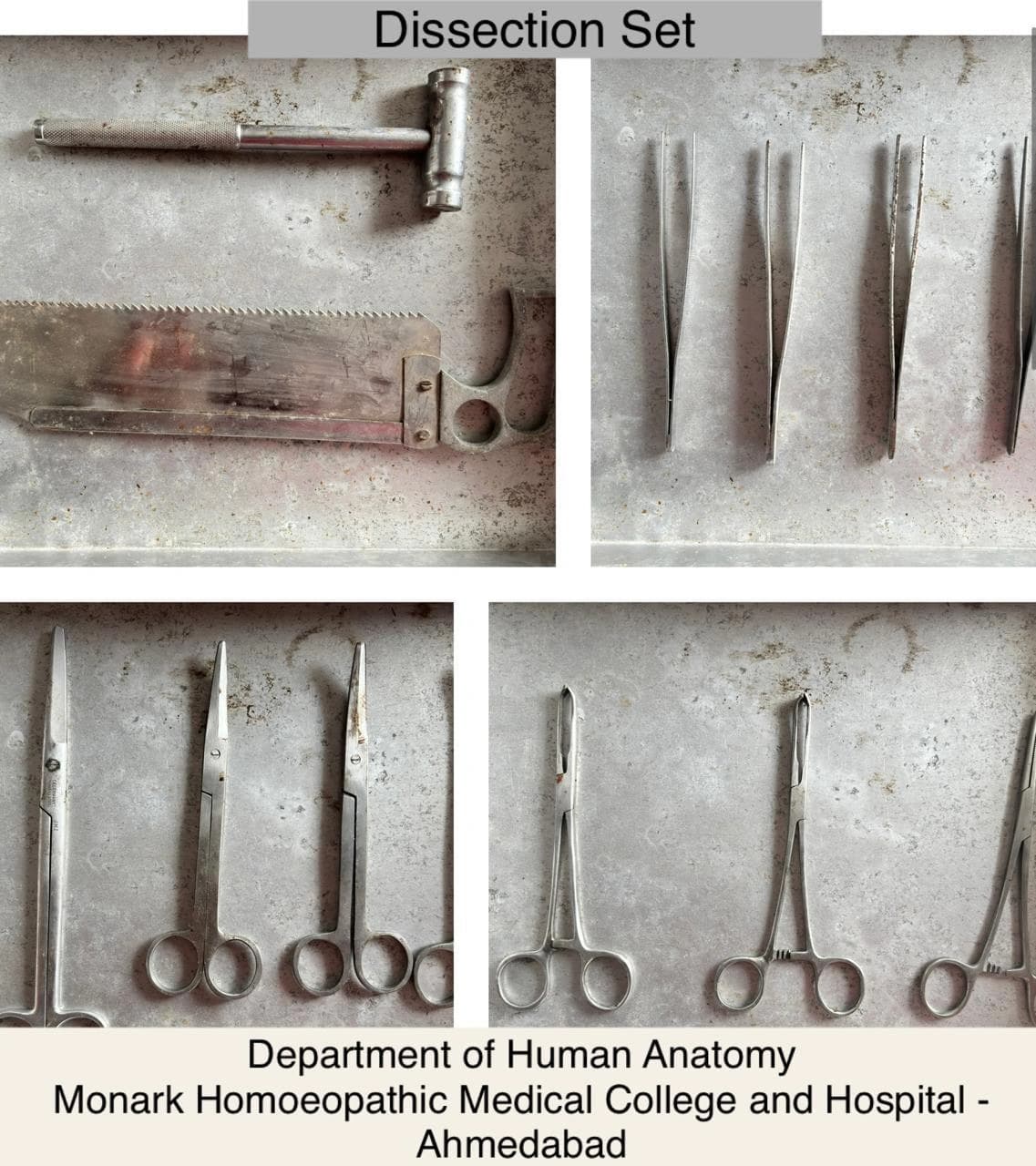
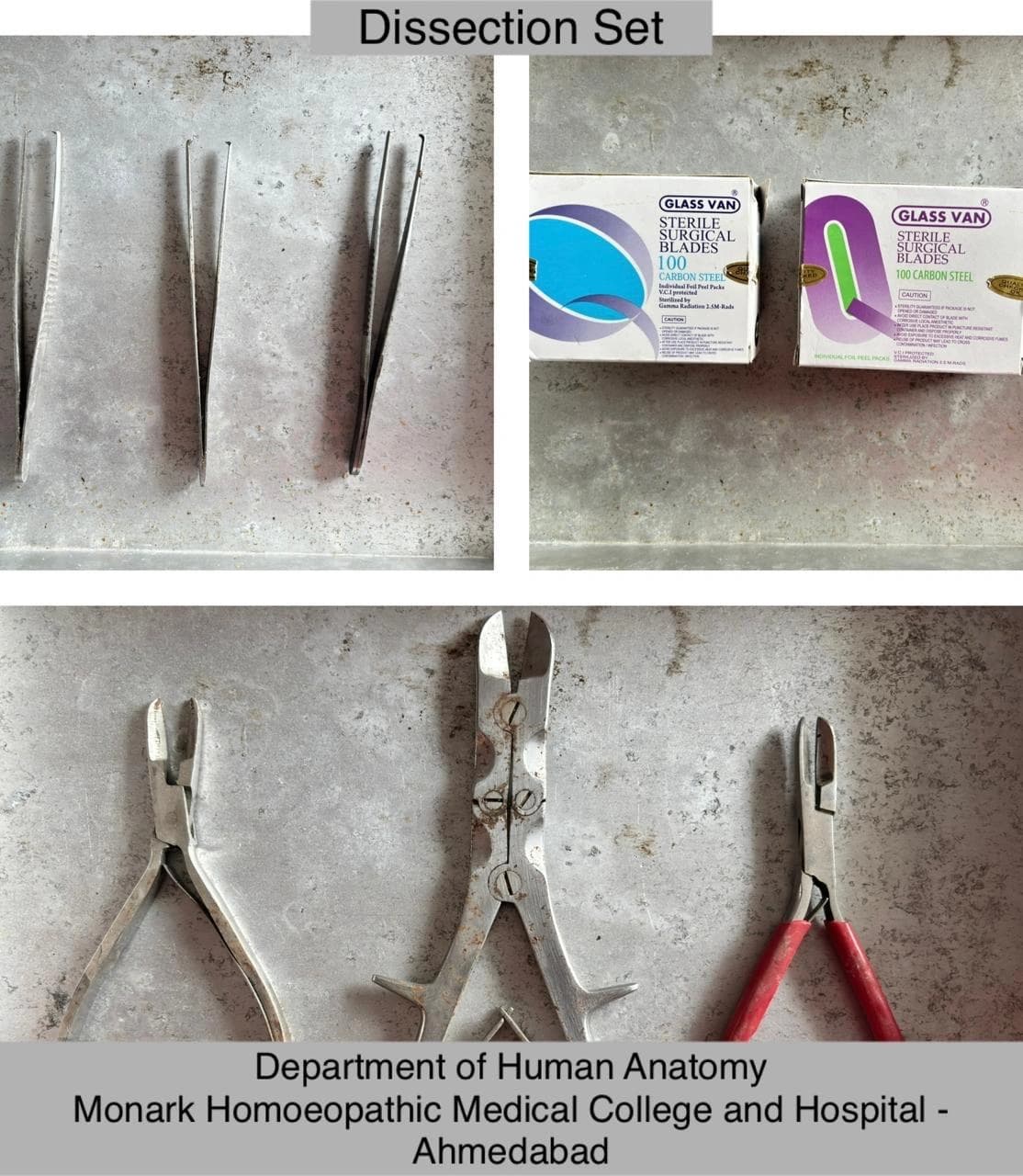
The dissection hall is spacious and fully equipped, providing an essential learning experience that supports future clinical training.
Mission
- To be a leader in the teaching and research of anatomical sciences of Developmental Biology, Genetics and Molecular Biology, Gross Anatomy, Neurobiology, Histology, Physical Anthropology, Reproductive and Fertility Anatomy, Clinical and Radiological Anatomy, amongst other sub-specialties.
Vision
- Provide comprehensive knowledge of gross and microscopic human structure and its clinical correlations.
TEACHING STAFF
| Sr.No | Name | Designation |
|---|---|---|
| 1 | Dr. Sucheta Balaji Gutte | Associate Professor |
| 2 | Dr. Urvish Dilipbhai Bavadiya | Assistant Professor |
| 3 | Dr. Vaibhavi Deepak Sawant | Assistant Professor |
NON-TEACHING STAFF
| Sr.No | Name | Designation |
|---|---|---|
| 1 | Mr. Sachin Dharamdev Bagde | Laboratory Attendant |
| 2 | Mr. Jigneshkumar Ramanbhai Shrimali | Cadaver Assistant |
| 3 | Mr. Chintan Dhaval | Multi-Tasking Staff |
The objective is not only to make students gain knowledge about the normal structure but also helps in understanding the physiology (normal function) through integrated approach and correlate them on clinical aspects.